May 20, 2026 · ← All articles
Cavitron vs. Traditional Cleanings: What's the Difference?
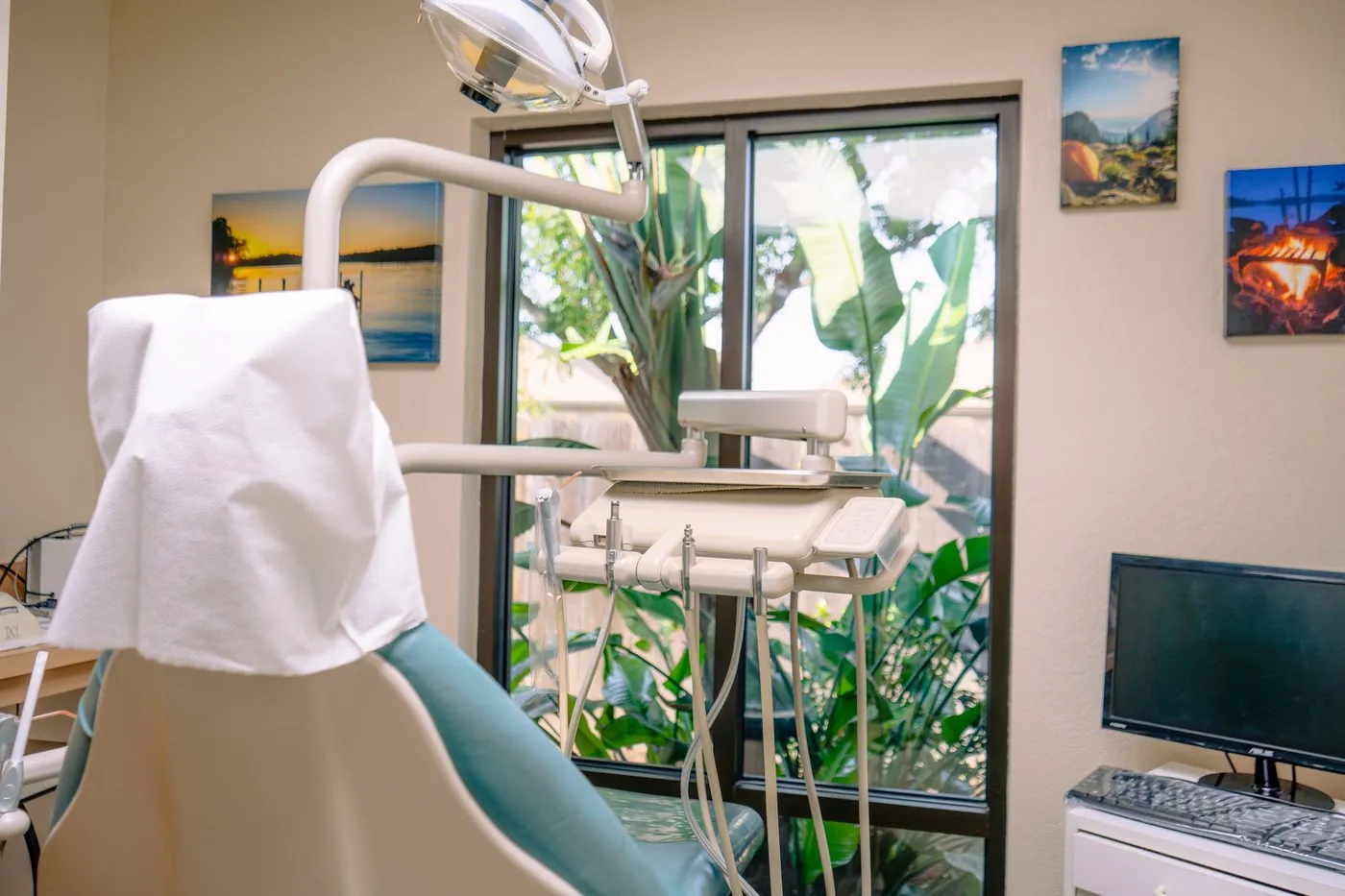
When patients tell us they dread cleanings, it's almost never the cleaning itself, it's the scraping. The metal-on-tooth feeling, the pressure on tender gums. So it's worth knowing that not all cleanings are done the same way.
How traditional cleaning works
Traditional cleanings rely on hand instruments called scalers, small curved metal tools the hygienist uses to physically scrape hardened tartar (calculus) off each tooth. It's effective in skilled hands, but it can feel intense, especially along the gumline or on sensitive teeth.
How the Cavitron works
The Cavitron is an ultrasonic scaler. Its tip vibrates at very high frequency while releasing a gentle stream of water. The vibrations break tartar loose, even below the gumline, where gum disease starts, and the water washes it away and keeps everything comfortable. Hand instruments are then used only for light fine-tuning, not heavy scraping.
What patients notice
Less pressure and scraping, less gum tenderness afterward, a faster appointment, and a cleaner feeling along the gumline. Patients with sensitive teeth, tartar that builds quickly, or early gum disease tend to feel the biggest difference.
Is it right for everyone?
For most patients, yes, and settings are fully adjustable, so if anything ever feels uncomfortable, say the word and we adapt. For patients with significant gum disease, the Cavitron is actually the foundation of the deeper cleanings that treat it.
The takeaway
If cleanings have kept you away from the dentist, the experience may simply be better than you remember. Read more about our cleanings or request an appointment, your gums will thank you.
Ready to Schedule a Visit?
Request an appointment online and our team will call you back to confirm the details.